Wildlife Safari in Sri Lanka: Best National Parks to Visit
Sri Lanka is one of the best destinations in Asia for unforgettable wildlife adventures and nature-based travel experiences. Despite its relatively small size, the island is home to an extraordinary diversity of ecosystems, including tropical rainforests, dry-zone grasslands, wetlands, and coastal lagoons. These habitats support an incredible range of wildlife, from elusive Sri Lankan leopards and majestic Asian elephants to sloth bears, crocodiles, deer, and more than 400 species of birds. With over 20 national parks and numerous protected reserves, the country offers exceptional opportunities for travelers to experience animals in their natural environments. Whether you are a wildlife photographer, birdwatcher, or adventure enthusiast, a wildlife safari in Sri Lanka promises close encounters with some of South Asia’s most fascinating species and landscapes
Yala National Park – Sri Lanka’s Premier Safari Destination
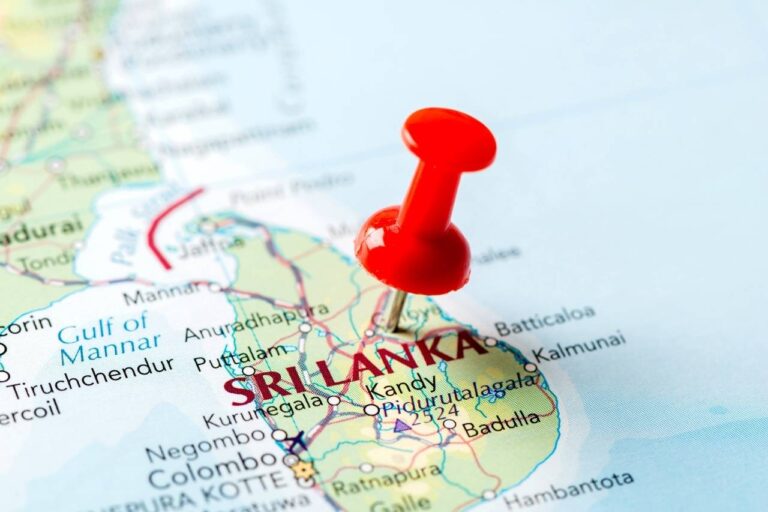
Located in the southeastern region of Sri Lanka, Yala National Park is the most popular and iconic wildlife reserve in the country. Covering vast grasslands, lagoons, and dense forests, the park is internationally renowned for having one of the highest leopard densities in the world.
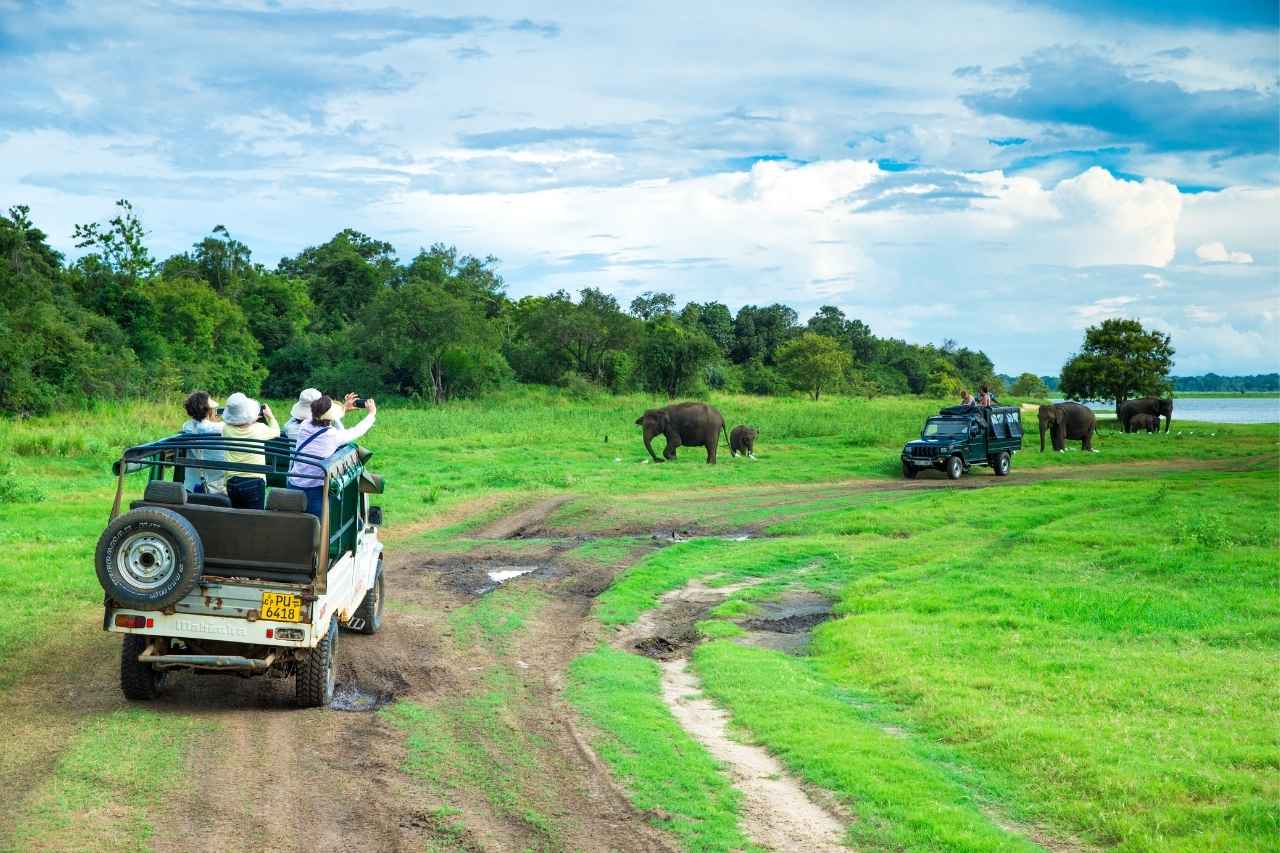
Yala offers an authentic safari experience similar to those found in Africa, with guided jeep tours taking visitors deep into the wilderness to spot animals in their natural surroundings.
Wildlife You Can See in Yala National Park
Yala is home to an impressive range of wildlife, making it the top choice for nature lovers and photographers.
Sri Lankan Leopards
The park is famous for its healthy population of Sri Lankan leopards, a rare and majestic subspecies found only on the island.
Asian Elephants
Large herds of elephants can often be seen roaming freely, especially near waterholes and open grasslands.
Sloth Bears
Although less commonly seen, sloth bears are one of Yala’s most exciting residents.
Crocodiles and Monitor Lizards
The park’s lagoons and wetlands provide excellent opportunities to observe reptiles.
Birdlife
Yala is a paradise for birdwatchers, with peacocks, eagles, hornbills, kingfishers, and many migratory species.
Best Time to Visit Yala National Park
The ideal time for a wildlife safari in Sri Lanka is from February to July, when the dry season makes animal sightings more frequent. Water sources become limited during this period, drawing wildlife into open areas.
Morning and evening safaris are the best times to experience the park, as animals are most active during cooler hours.
Safari Experience and Tour Options
Visitors can choose from half-day and full-day jeep safaris led by experienced guides. Most tours include hotel pickup, park entrance assistance, and expert tracking to maximize wildlife sightings.
Booking through a trusted operator such as Travel Agent Sri Lanka helps ensure a comfortable and well-organized safari experience.
Tips for an Unforgettable Wildlife Safari in Sri Lanka
- Wear light, comfortable clothing in neutral colors.
- Bring binoculars and a camera with a zoom lens.
- Carry sunscreen, sunglasses, and drinking water.
- Follow your guide’s instructions and avoid making loud noises.
- Be patient, as wildlife sightings depend on natural conditions.
Why Yala Is a Must-Visit for Wildlife Enthusiasts
For travelers seeking the ultimate wildlife safari in Sri Lanka, Yala National Park offers unmatched opportunities to witness the country’s most iconic animals in the wild. From elusive leopards to majestic elephants, every safari drive promises an exciting and memorable experience.
Whether you are a nature lover, adventure traveler, or photographer, Yala delivers one of the most rewarding wildlife encounters in South Asia.
Plan Your Sri Lanka Safari Adventure
A visit to Yala National Park is an essential part of any Sri Lankan itinerary. Combine your safari with nearby destinations such as Mirissa, Ella, and Tangalle for a truly unforgettable holiday.
Start planning your wildlife safari in Sri Lanka today and experience the extraordinary biodiversity that makes this island so unique.
.